
Cheer 101 for parents · · Updated · Isabella Renaud
The Car Ride Home: 3 Questions to Ask After Cheer Practice
The car ride home is part of your athlete’s mental training. Three questions that build confidence after practice, and three that quietly add pressure.

Mental performance training isn’t just for athletes. It’s for parents too.
Every parent in our gym wants the same thing: for their kid to do well and to love doing it. That’s exactly why pressure so often arrives by accident. It rarely sounds like pressure. It sounds like interest, like a question asked in the front seat on the way home.
The drive home is a small, ordinary moment that carries more weight than most of us realize. Your athlete is tired, still running the practice back in their head, and sitting next to the person whose opinion matters most to them. What gets said in that ten minutes becomes part of how they think about the sport.
Why the ride home matters
Researchers at the University of Toronto interviewed 27 young athletes aged 11 to 16, along with their parents, about the drive home from practices and games. They found no single verdict on it. Some athletes described the ride as something to endure. Others genuinely enjoyed it, as a chance to talk the day through with a parent. You can read the study in Sport, Exercise, and Performance Psychology or the plain-language summary from U of T.
The lead author, Katherine Tamminen, pointed out two things worth holding onto. Letting emotions cool before getting into the details helped. And the car itself helps: you’re side by side rather than face to face, which makes a hard conversation easier to start.
There’s also good news for anyone picturing a ten-minute interrogation. When the same research group recorded actual car rides, sport talk took up a small fraction of the trip. Most of it was ordinary conversation and comfortable silence. The goal isn’t to fill the drive. It’s to make sure the little that does get said is doing the right job.
Three questions to ask
Pick one. Not all three.
- “Would you like to talk about practice, or would you rather have some quiet?” This hands your athlete the controls. Quiet is a real answer, and letting them choose it tells them the conversation is for them and not for you.
- “What was your favourite part of practice?” It starts somewhere good. Over a season, these answers stack up into a set of positive memories attached to the sport, which is what keeps an athlete coming back on the hard days.
- “Was there a moment you kept going even when it was tough?” This one rewards effort and persistence rather than outcome. It tells your athlete that sticking with something difficult is the achievement, whether or not the skill landed.
Three questions to skip, and what to ask instead
None of these make you a bad sports parent. Most of us have asked all three.
- “Did you get your back handspring?” It turns practice into a checklist and progress into pass or fail. A week of real work can feel like a failure because one skill didn’t land. Try instead: “What were you working on today?”
- “Did you hit?” It ties your interest, and their sense of worth, to the result. Try instead: “What are you proud of from today?”
- “Why did the coach move your spot? Were you not doing your job?” It assumes fault, suggests their value changes with their position, and quietly undermines their trust in the coach. Try instead: “How did it feel being in that spot today?”, and bring any real concern to the coach directly, not through your athlete.
This isn’t only a cheer problem. In a study of 42 competitive junior tennis players, athletes said they did not want technical or tactical advice from their parents. What they wanted was comment on their effort and attitude, practical support, and body language that matched the encouraging words.
The pattern behind all six
The questions that help point at effort, learning and “not yet.” The ones that hurt point at results, comparison and “you either have it or you don’t.” That’s the difference between a growth mindset and a fixed one, and it’s trainable, the same way a skill is.
It’s also why we treat the mental side of the sport as coachable rather than as a personality trait an athlete either has or doesn’t. Confidence under pressure, recovering from a mistake and speaking up to a teammate are all skills, and they’re what mental performance training at the gym is for. It sits alongside the rest of how we coach: high standards, high support.
One more piece: let your athlete steer. If they want to talk about the drama at the water fountain rather than their jumps, that’s a good ride home. The conversation doesn’t have to be about the thing you want fixed.
Four things to try this week
- Pick one question, not five.
- Let silence be an answer. Try again at dinner, or at bedtime, when the adrenaline has worn off.
- Lead with watching rather than assessing. Coaches have long advised parents to say “I love to watch you play,” a line popularized by Bruce Brown and Rob Miller, and it holds up because it doesn’t attach the praise to an outcome.
- If something slips out, reset. “That came out as pressure. I just love watching you do this.” An athlete who sees a parent repair a moment learns something worth more than the question you wish you hadn’t asked.
Start with one question
You don’t need a script, and you don’t need to overhaul how your family talks about the sport. Pick one question from the first list and try it at pickup this week. Notice what happens.
Your athlete is already being coached on the mat. What happens in the car is coaching too. If you’d like help with the mental side of their season, our mental performance coach works with athletes at the gym and you can book a session with Bella.
Questions parents ask
What if my athlete doesn’t want to talk after practice?
What if they’re upset about a spot change or a team decision?
Is it ever okay to give feedback on technique?
Not sure where your athlete fits?
Answer a few quick questions and the Program Finder will suggest the best program for their age and experience.
Find my programKeep reading
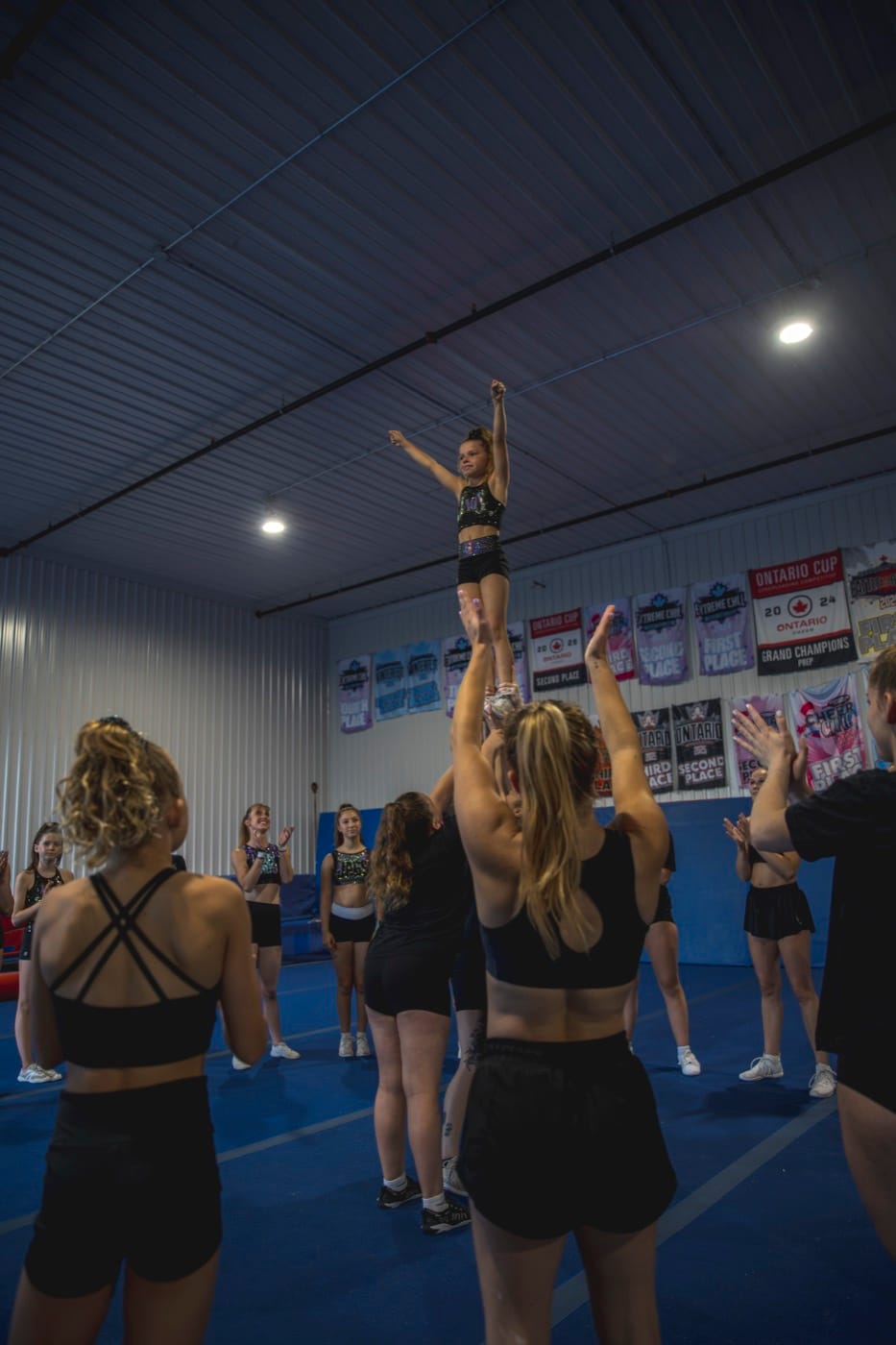
Developing Confident Athletes: Why High Standards Need High Support
High standards only work when they are paired with high support. The coaching model that helps athletes reach their potential.
Read more
Private Lessons Won’t Fix Mental Blocks… Unless You Have This Kind of Coach
Private lessons are not the magic solution to mental blocks. The difference is the coach, the environment, and the strategy behind the lesson.
Read more
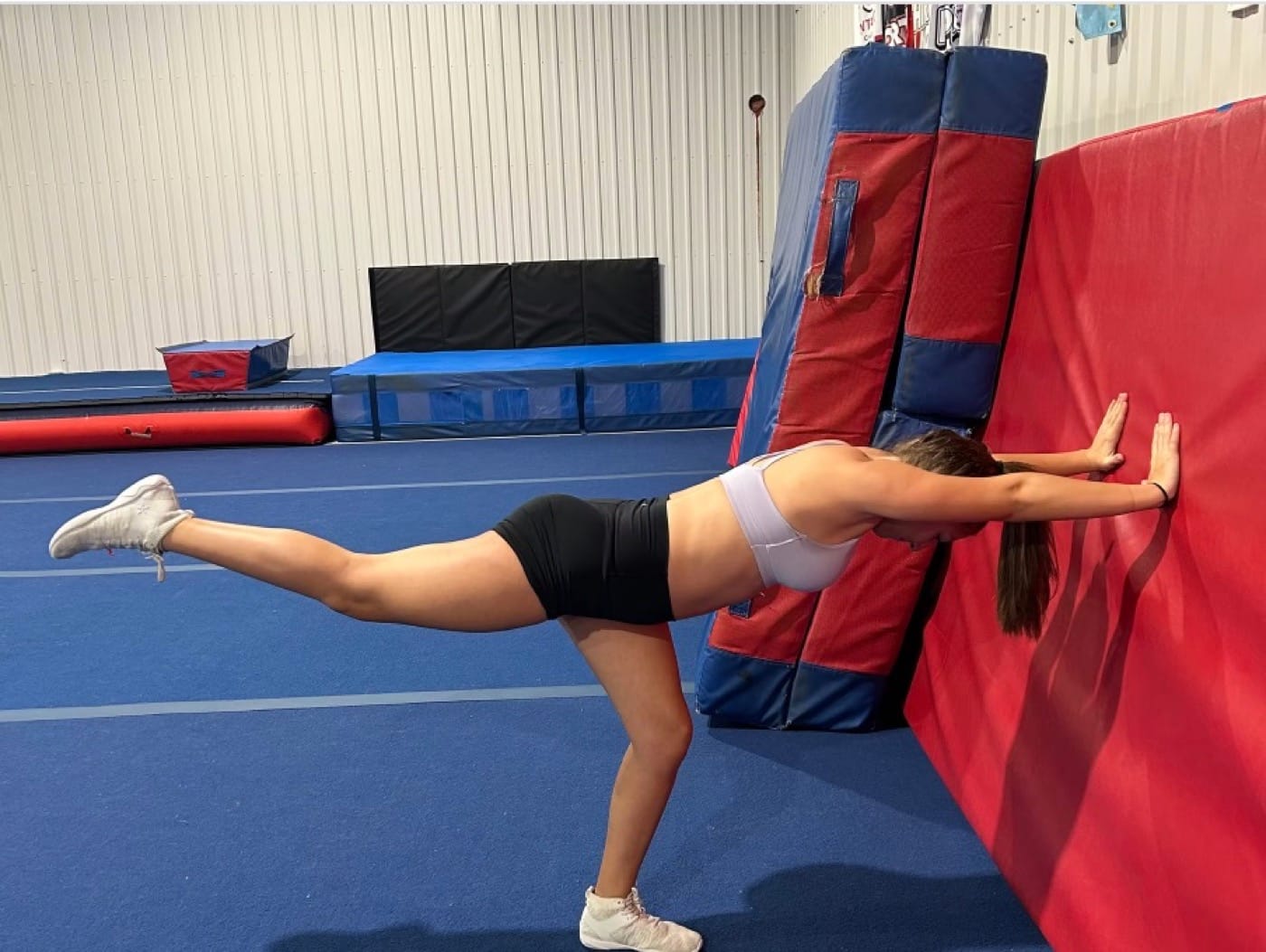
Why “Shaping” Isn’t Just a Warm-Up: It’s the Foundation of Excellence in Cheerleading
Every skill in cheerleading and tumbling is built from smaller body positions called shapes. Here is why the first ten minutes of class matter so much.
Read more